posted in Technology

Chinese CXMT to Match Micron's DRAM Manufacturing Capacity This Year
A particularly surprising discovery is that CXMT is constructing its cleanrooms—where the actual silicon is produced—in just around 12 months, whereas the rest of the DRAM manufacturing industry typically takes 21-24 months, nearly a full year longer.
www.techpowerup.com/350726/chinese-cxmt-to-match-microns-dram-manufacturing-capacity-this-yearFinally, the report notes that the Chinese government is encouraging CXMT to transfer its DRAM technology IP to other Chinese DRAM manufacturers such as JHICC, Swaysure, and YTMC’s subsidiary XMC. This initiative aims to alleviate memory shortages domestically before CAMT-designed DRAM enters other markets, such as the EU and possibly even the U.S.
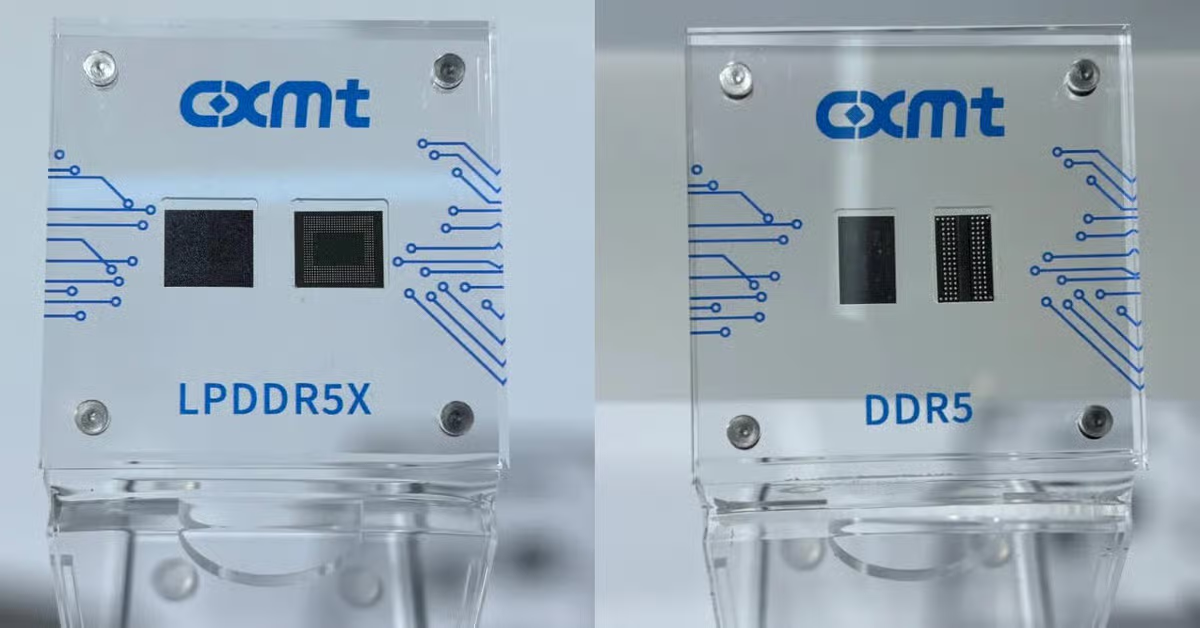 TechPowerUpChinese CXMT to Match Micron's DRAM Manufacturing Capacity This YearChinese memory giant CXMT has been expanding its capacity so rapidly that the company is now able to compete with one of the largest memory manufacturers in the world—Micron. According to analysis from Citrini Research and their proprietary data, CXMT is projected to produce about 350,000 DRAM...